


The Sri Lankan poultry market is a dynamic and vital part of our nation’s food supply. 🥚 Consumers demand high-quality, safe, and affordable chicken, while farmers seek stability and reliable partners. Meeting these demands consistently is a challenge, but the solution lies in a powerful business model: vertical integration.
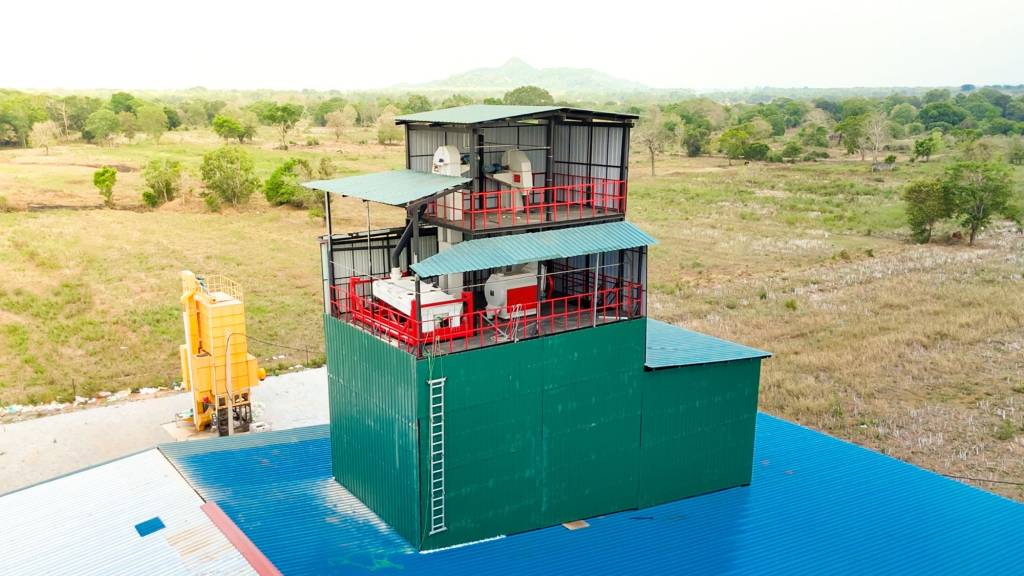
So, what is it? Vertical integration is when a single company controls multiple stages of its supply chain. In the poultry industry, this means managing everything from producing the feed to raising the chicks and processing the final product. It’s a model that companies like LEO GROUPS have perfected, and it’s changing the game for quality and efficiency in Sri Lanka.
Unbeatable Quality Control and Food Safety
When a company manages its own supply chain, it can enforce the highest standards at every step. For example, by operating LEO FEED, LEO GROUPS ensures their chickens receive scientifically formulated, nutritious feed made from the best raw materials. This directly translates to healthier birds raised at LEO FARMS and, ultimately, a safer, higher-quality product from LEO CHICKEN. This end-to-end control is the ultimate guarantee of food safety for consumers.
Price Stability in a Fluctuating Market
One of the biggest challenges in the poultry industry is managing costs. By controlling its own feed production—the single largest expense in poultry farming—an integrated company can mitigate price volatility. This efficiency means more stable chicken prices in Sri Lanka for consumers and more predictable business for farmers and retailers.
The future of Sri Lanka’s poultry industry belongs to those who can guarantee quality, safety, and stability. Through its mastery of vertical integration, LEO GROUPS isn’t just participating in the market; it’s leading it.


